Embracing Diversity: A New Vision for Rural Europe
Why do people leave the places they grow up in, and what can help them stay? As we approach the EU elections, it’s time to redefine our approach to rural development. We need a holistic approach to sustainable rural development that integrates environmental, social and economic considerations. Rather than simply trying to attract more residents to rural areas, we must focus on making these areas meet the needs of their current and potential inhabitants.
Every year, numerous young individuals migrate from rural to urban areas in pursuit of better educational and employment opportunities. However, there’s a more profound layer to this movement—many feel compelled to leave due to narrow and illiberal views that stifle self-expression and acceptance, particularly for minorities. They stand out in their home villages in ways that detract from their wellbeing and sense of acceptance. This not only harms the individuals but also deprives rural communities of potential diversity and progress. As political leaders and community advocates, how can we foster a culture of inclusivity and acceptance that retains young talent?
Moreover, rural areas need integrated support for social services, healthcare, and education tailored to the needs of all age groups – young and old. Investing in these essential services will improve the overall quality of life and can make rural living more appealing. Robust development policies encompass more than infrastructure!
The long-term prosperity of rural areas relies on sustainable development. Farmers are increasingly participating in renewable energy production, and local residents are able to share ownership and profits through renewable energy communities. Supporting these innovations not only helps the environment but also creates job opportunities, contributing to local economies. Ensuring seamless digital and transport connectivity with urban centres also remains critical for integrating rural businesses and communities into larger markets.
Last but not least, fostering social cohesion through community-led projects and events enhance the sense of belonging and community spirit. Building inclusive communities where everyone, irrespective of their background, can feel valued and involved, is essential for the long-term vibrancy of rural areas.
As we head into the European Elections, our commitment to revitalising rural areas must be firm. The decisions we make now will shape the future of rural Europe. Let’s advocate for policies that prioritise the needs of the people in rural areas, ensuring they are vibrant, inclusive, and sustainable places to live!
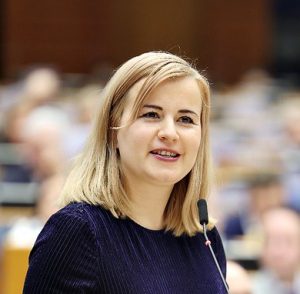
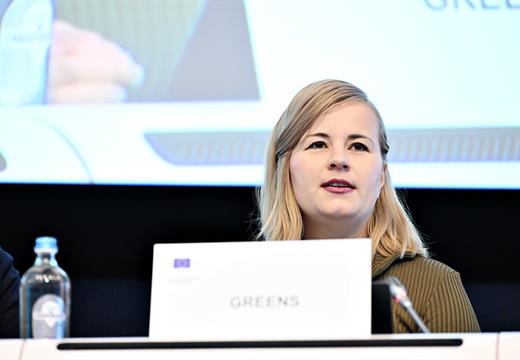
Based on the speech delivered by the Greens co-president, Niina Ratilainen, during the 160th CoR Plenary Session Debate on the EU Elections. The debate can be rewatched here.