Improving repairability and tackling greenwashing: Putting consumer rights at the heart of the Green Deal
Cities and regions have welcomed the new EU legislation which aims to promote the repair of goods and ban so-called ‘greenwashing’. The opinion adopted at the European Committee of the Regions’ plenary session on 10 October underlines that empowering consumers to make better-informed choices and play an active role in the ecological transition is a key factor to the success of the Green Deal.
Changes are needed both in consumer and business behaviour. Therefore, local and regional leaders stress that all goods should be designed for sustainable long-term use and that inefficient, toxic, wasteful and polluting products must be removed from the EU market. They regret that the European Commission is not proposing to extend legal guarantee periods to match the better lifespan of products.
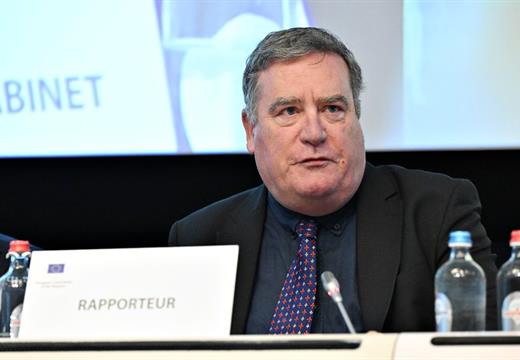
Rapporteur Dan Boyle (IE/Greens), Member of Cork City Council, said: “Citizens need to have confidence that the goods they purchase are durable, and are subject to long life after repair; that such repairs can be easily accessed, quickly done and limited in cost. By better definition and practice we can create this confidence, but we can also improve economic opportunities especially within the not-for-profit sector, where innovation has been occurring with initiatives such as repair cafés.”
Mr Boyle’s opinion calls for a strong governance framework involving local and regional authorities and civil society in order to establish a transparent and inclusive processes for developing rules for substantiating and communicating green claims, such as a consultation forum on green claims. It also points out the need for measures and guidance to make the process easier for SMEs to be able to substantiate their green claims.
“Regarding environmental claims, there is a need to standardise labelling that confirms the green credentials in a way that informs consumers. Such claims cannot be the subject of greenwashing, nor can policies on the achievement of net-zero emissions be made through the purchase of carbon credits. Environmental claims need to identify how the production process, the distribution process and the final use of the good or service has lessened the build-up of carbon emissions”, rapporteur Boyle underlines.