Standing Up for Pride, Equality and Democracy
The European Committee of the Regions (CoR) has adopted its opinion on the European Commission’s LGBTIQ+ Equality Strategy 2026–2030, sending a strong political signal: equality, dignity and fundamental rights must remain at the heart of Europe.
For our group, this opinion was about ensuring that every person across Europe can live freely, safely and openly — without fear, discrimination or exclusion because of who they are, who they love or how they express their identity.
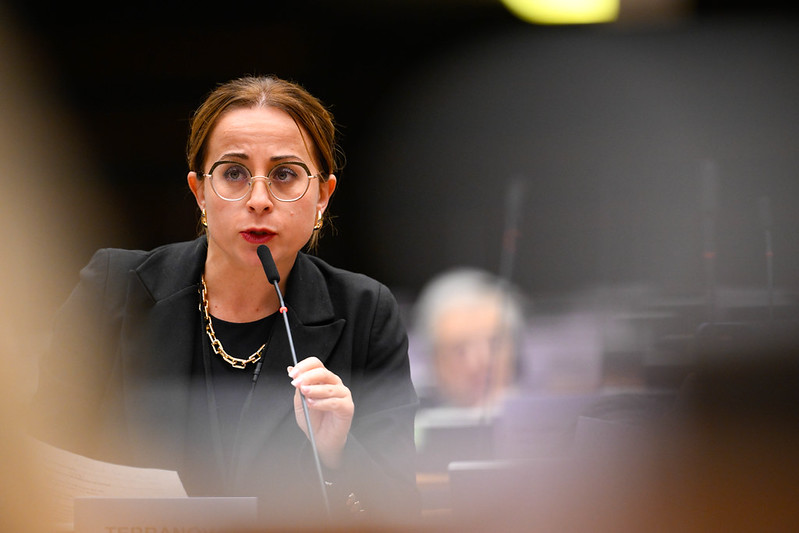
As Maria Terranova, our SEDEC Commission Coordinator and Mayor of Termini Imerese, reminded members during the plenary debate:
“ What do our citizens ask of us? To walk down the street without fear. To be proud of who they are. To love openly. To know that their family is recognised and respected”
A stronger voice for equality
Throughout the drafting process, we fought to make the CoR’s political signal stronger and more ambitious. Our aim was simple: to ensure that the opinion reflects the realities faced by LGBTIQ+ people across Europe, and r encourages concrete commitments.
With a majority backing our amendments, the final text takes a firmer stand against hate crime and hate speech. It calls for stronger protection for victims, better reporting mechanisms, more accessible support services and targeted training for authorities. Just as importantly, it stresses the need to prevent re-victimisation and rebuild trust between institutions and LGBTIQ+ communities.
We also strengthened the opinion’s commitment to evidence-based policymaking. The opinion now gives greater weight to data collection and research, so that discrimination can be better understood, measured and effectively addressed.
Intersectionality is also placed at the heart of the approach. The text recognises that discrimination is not experienced in isolation, but can be compounded by different aspects of a person’s identity or situation.
Our amendments further strengthened the call for equality at work, promoting safe, inclusive and non-discriminatory workplaces for all.
We also secured the call for equal treatment in adoption and parenthood rights for LGBTIQ+ families, including greater legal certainty and the recognition of family ties across borders.
Finally, the opinion now calls for asylum and protection procedures that are more inclusive, trauma-informed, culturally competent and intersectional, ensuring that people seeking safety are treated with dignity and respect.
Progress is possible, but it cannot be taken for granted
Overall, our message remains clear: LGBTIQ+ people are not asking for special treatment. They are asking for what everyone deserves: respect, equal rights, equal protection and the freedom to live openly and with dignity.
This progress was not a given. Some amendments were adopted by only a few votes, showing how contested equality and fundamental rights for LGBTIQ+ people remain.
While important steps have been achieved, many challenges remain. The depathologisation of intersex and trans people continues to require action, with medical and legal systems needing further reform to ensure dignity, bodily autonomy and human rights.
Across Europe, LGBTIQ+ people still face discrimination, exclusion and hostility. In some places, fundamental rights are under pressure, reminding us that progress can never be assumed.
The adoption of this opinion is an important step towards the European Commission’s LGBTIQ+ Equality Strategy 2026–2030. It shows the power of political courage of local and regional leaders in turning equality commitments into reality.
As Maria Terranova said:
“Systems of discrimination do not disappear on their own. They are dismantled by courage, by political will, and by just laws.”
The progress achieved matters. But the work continues