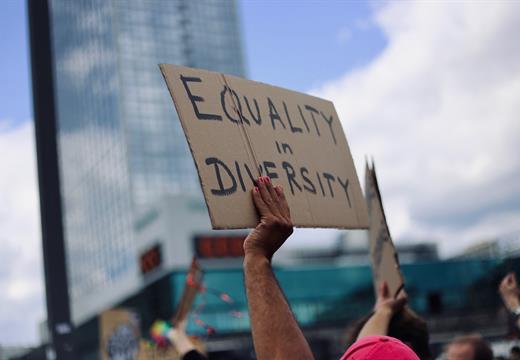
Statement: Greens call for diverse and inclusive cities and regions
Statement by the co-presidents, Una Power and Niina Ratilainen
May marks the European Diversity Month and draws attention to the importance of promoting diversity and inclusion in the workplace.
The Greens in the European Committee of the Regions firmly believe in a society where everyone can live a dignified and fulfilling life, regardless of their gender identity, sexual orientation, age, religion, ethnic origin or cultural background.
Local and regional governments play a crucial role in fostering inclusive communities where everyone can thrive, regardless of their differences. Especially regional initiatives that promote diversity and inclusion, such as anti-discrimination measures, language classes, and cultural events can make a huge difference in the life of individual persons.
We recognise that promoting equality, diversity and inclusion is not just a matter of policy, but it requires an open-minded society that treasures the multitude of cultures and promotes attitudes of curiosity and tolerance.
Therefore, we call for:
- Fighting discrimination and promoting equal rights: We Greens are committed to combating all forms of discrimination and promoting equal rights for all. We believe that it is the responsibility of local and regional governments to take concrete steps to prevent discrimination, such as ensuring equal access to education, housing, and employment opportunities.
- Embracing and representing diversity: Our society is getting more diverse and this diversity should be considered a strength. We advocate for policies that support and empower diverse communities, and we strive to ensure that diverse voices are heard and included in decision-making processes, including those of marginalised and underrepresented groups. Participation of women, young people, people of colour, LGBTQI+ people, people with disabilities and people with international backgrounds should be represented and play an active role in local and regional politics.
- Promoting inclusive policies and practices: Public spaces and services should take into account the diversity of all members of society. This includes broad consultation on the design and use of public spaces, awareness of specific needs, cultural aspects, language skills on the provision of public services, and ensuring that decision-making processes are well communicated and understood.
- Fortifying education and awareness-raising: Education and awareness-raising are key to promoting equality, diversity, and inclusion. We advocate for comprehensive educational programmes, including mandatory trainings that promote diversity, fight stereotypes, teach respect and build empathy for all individuals.
- Inclusion in the labour market: Local and regional authorities as employers can play a central role to ensure successful inclusion and at the same time to better serve the needs of the diverse citizens. Diverse workforce can act as role model and motivate other members of marginalised groups to apply for a job in the public sector; furthermore, they understand the specific needs of people in similar situations and provide targeted services to them.