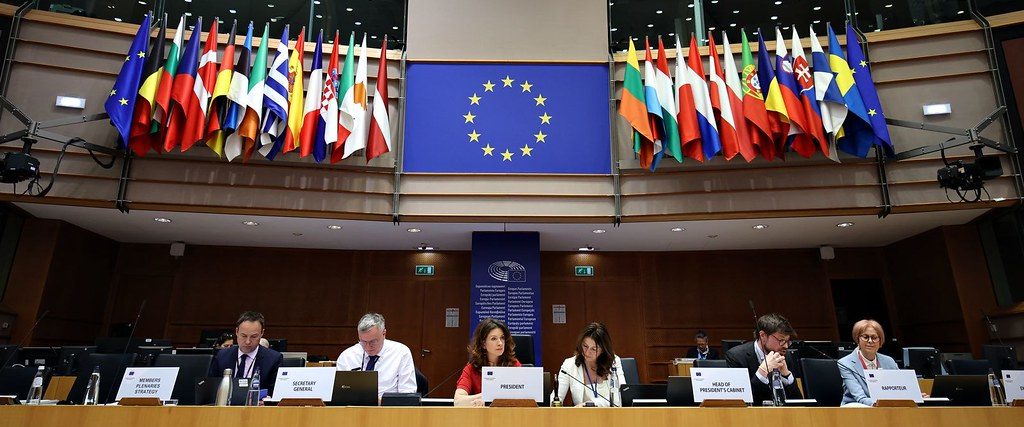
Turning Commitments into Action: A Local and Regional Call for Gender Equality
Across Europe, women and gender-diverse people continue to face persistent and systemic inequalities. Whether in healthcare access, political representation, safety in public spaces, or achieving economic independence, the promise of gender equality remains unfulfilled for far too many. Even more alarming is the rising trend of backsliding, with previously secured rights increasingly being challenged, restricted, or reversed.
The opinion on Strengthening women’s rights in the EU: A local and regional perspective, adopted during the External SEDEC Commission Meeting in Malta and set to be adopted in Plenary in October, is both timely and essential. It reflects the urgency to speak clearly and act decisively through inclusive, forward-looking and intersectional policies. Local and regional authorities are often the first responders to threats against gender equality and thus play a vital role in translating high-level commitments into concrete measures.
Achieving gender equality demands a comprehensive approach, to meet our goal to make gender equality tangible and universal.
It means protecting women and gender-diverse people from gender-based violence and discrimination. Local and regional authorities must therefore ensure accessible, safe and supportive spaces for all victims, regardless of sex assigned at birth, gender identity or expression.
It means moving beyond outdated norms and recognising womanhood as a social identity, decoupled from caregiving and childbearing. All family forms, including single-parent, LGBTIQI+ and blended families must therefore be recognised as equally valid and deserving protection.
It means ensuring access to menstrual hygiene products (MHPs), as a matter of human dignity and health equity, as well as a matter of economic justice. The so-called “pink tax”-the practice of charging more for MHPs and products marketed toward women- “places a higher financial burden on women and needs to be eliminated.
Finally, it means that our policies are grounded in intersectional, feminist, and anti-racist principles. This includes embedding inclusive, rights-based content into education and collaborating with community-led organisations in designing and implementing initiatives.
Now, it is up to all of us—at every level of governance—to turn these commitments into concrete action and make gender equality real in everyday life.